
How Inclusive Cycling Is Helping More Women Discover Freedom and Confidence

Breaking Barriers: Women leading the way in inclusive cycling
Cycling has the power to change lives. It can improve physical health, boost confidence, increase independence, and create opportunities for connection and adventure.
Yet for many women, cycling has not always felt accessible.
Whether because of disability, caring responsibilities, health conditions, lack of suitable equipment, or safety concerns, women often face additional barriers to getting on a cycle.
Across the UK, women are helping to change that story. Through advocacy, community leadership, healthcare, sport, and grassroots projects, they are making inclusive cycling more accessible and welcoming for everyone.
Changing the narrative around who cycles
Cycling has long been dominated by the image of the fit, able-bodied male cyclist. However, women are challenging this stereotype. Adaptive cycling groups led by women are ensuring that disabled cyclists, older riders, and those with different needs have access to the right equipment and support. By making cycling spaces more inclusive, they are ensuring that more people see themselves as cyclists.

Isabelle Clement, Director of Wheels for Wellbeing, is a key advocate in this movement. As an urban handcyclist, she works to bridge the gap between cycling and disability communities, ensuring more disabled people have access to cycling. Under her leadership, Wheels for Wellbeing supports over 1,300 disabled and older people each year and campaigns for policy change through initiatives like #BeyondTheBicycle. Isabelle’s influence extends to policy forums, advisory boards, and public speaking, pushing for inclusive cycling to become the norm in the UK.
Advocating for policy change and infrastructure
Women are also advocating for significant infrastructure and policy changes to prioritise accessibility for all cyclists. Many push for cycling lanes that accommodate tricycles, handcycles, and other adaptive equipment. They also advocate for improvements in public cycling infrastructure to ensure inclusivity and safety for all.
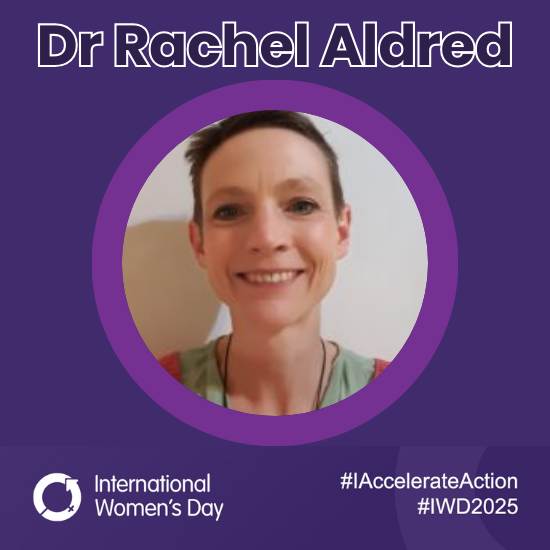
Rachel Aldred is a British academic specialising in active mobility. She is a Professor in Transport at the University of Westminster and has published over 25 peer-reviewed papers, including research into cycling equity and the risks faced by disabled and low-income pedestrians due to poor infrastructure. She advocates for better-designed streets that prioritise accessibility and safety, ensuring cycling and walking are viable options for all. Voices like Dr. Aldred’s are crucial in ensuring that accessibility is not an afterthought but a fundamental part of cycling policies.
Building community and representation
Representation matters. Seeing women—especially disabled women and women from underrepresented backgrounds—cycling sends a powerful message that cycling is for everyone. Women-led cycling groups and community initiatives create safe and welcoming spaces for those who might otherwise feel excluded from mainstream cycling culture.
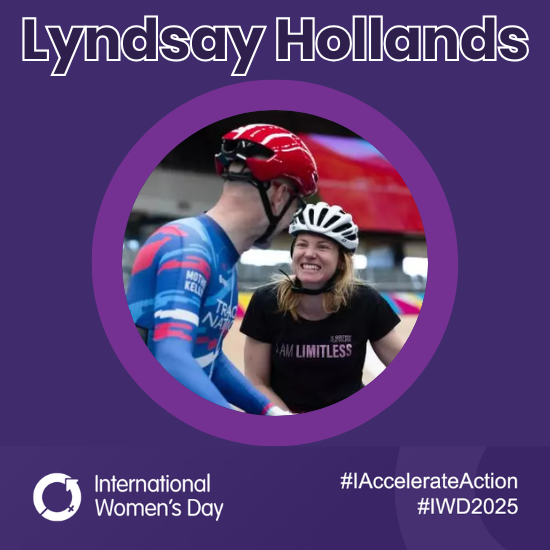
Lyndsey Hollands works as National Disability Manager at British Cycling and runs Limitless—their Disability and Para-Cycling programme. This role uses the power of cycling to transform lives, support new riders, build inclusive clubs and create a nationwide network of accessible opportunities. Limitless is about more than cycling; it’s about breaking barriers, building confidence, creating connections, and bringing the joy of cycling to everyone.
Breaking boundaries with every ride
Enthusiasm plays a crucial role in the world of inclusive cycling, as it motivates individuals to keep going while inspiring others to join. Women often take the lead in encouraging others, offering support, and cheering them on to give cycling a try and push their limits. Their positivity and encouragement create an environment where everyone feels welcome and empowered to reach their potential.
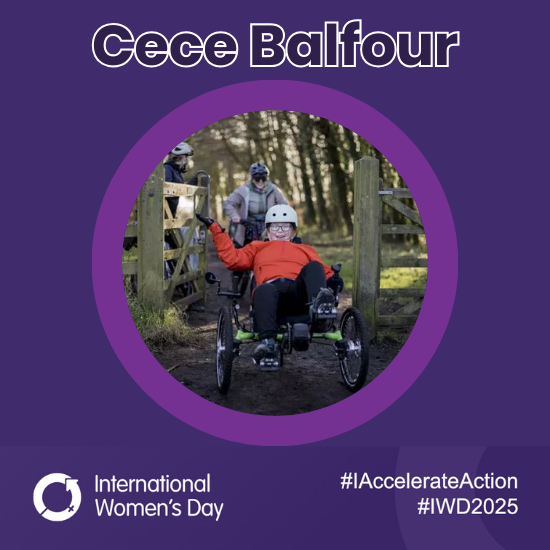
Cece Balfour embodies resilience and enthusiasm in the world of inclusive cycling. Known for her infectious positivity, she inspires both new and experienced cyclists, showing that cycling is fun and accessible for all.
A member of The New Forest Off Road Club and Limitless at Cyclopark, Cece credits these communities for helping her build confidence, skills, and a sense of belonging. Featured in films and magazines, Cece’s story encourages young, disabled cyclists to pursue their dreams and find freedom on wheels. She is a true role model for anyone seeking joy through cycling.
Transforming lives with active travel
The intersection of inclusive cycling and healthcare is about harnessing cycling as a tool for improving physical and mental health. It fosters independence and confidence in individuals, especially those with mobility challenges, by providing opportunities to engage in cycling. This approach helps break down barriers, ensuring that more people can enjoy the benefits of cycling while enhancing their overall well-being, self-esteem, and connection to community. Inclusive cycling creates an empowering environment where cycling is accessible to all, regardless of ability.
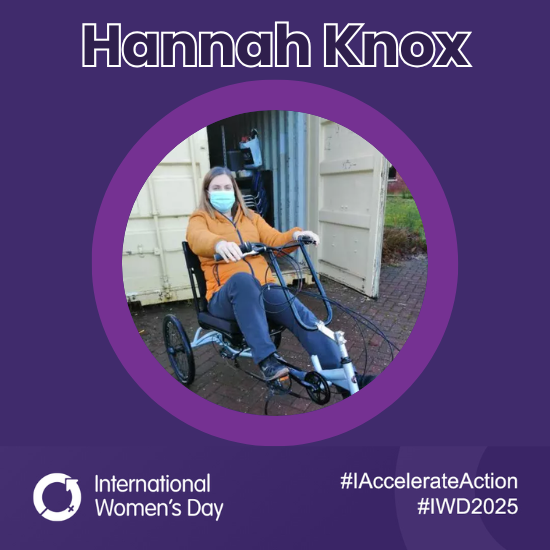
Hannah Knox, a physiotherapist in Glasgow, is a driving force behind making cycling more accessible and inclusive. She co-developed the Pedal 4 Progress programme at Leverndale Hospital in Glasgow to promote active travel and build cycling skills among patients and staff. With a mechanics qualification from Bike for Good and as a cycle ride leader, Hannah’s dedication has opened doors for many, helping individuals build confidence, self-esteem, and experience the joy of cycling. Her work continues to break down barriers, making cycling a viable and empowering activity for everyone.
Leading the charge with women at the helm
Women in leadership roles are vital to creating a truly inclusive cycling world. Often attuned to the needs of those overlooked by society and advocates for the underdog, women bring unique perspectives to leadership. Having faced barriers themselves, they are natural champions of inclusivity, breaking down obstacles for others. Their experiences shape more diverse, welcoming spaces where cycling can be enjoyed by all, ensuring that no one is left behind.
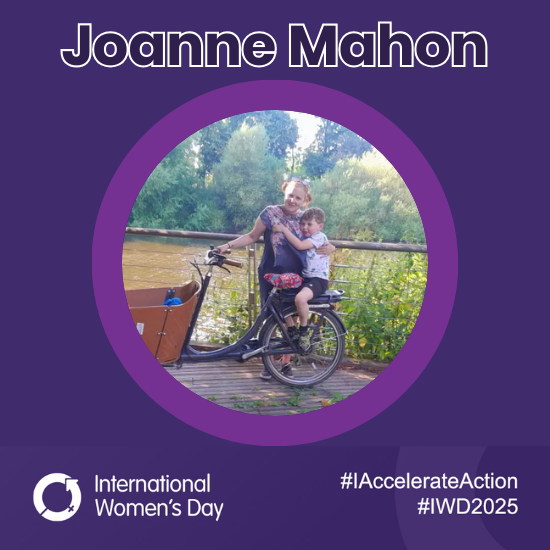
As CEO of Get Cycling CIC, Joanne Mahon ensures that our organisation not only champions inclusive cycling but also delivers on our mission to get more people on cycles. Under her leadership, Get Cycling continues to push boundaries, offering tailored support and adaptive cycling solutions. Joanne’s commitment to accessibility and inclusivity drives our team to do our best, fostering an environment where everyone—regardless of ability—can enjoy the freedom and joy of cycling.
Supporting Inclusive Cycling at Get Cycling CIC
At Get Cycling CIC, our mission is simple: to help more people experience the benefits of cycling.
We support riders across the UK through:
- Specialist bikes
- Disability tricycles
- Recumbent cycles
- Accessible cycle hire
- Demonstration appointments
- Adaptations and accessories
- The Pathways to Pedals programme
Our York showroom is home to one of the UK’s largest demo fleets of inclusive cycles, helping people find the cycle that works best for their individual needs.
Looking Ahead
The future of cycling should be accessible to everyone.
As more women continue to shape policy, build communities, improve access, and champion inclusive cycling, more people will have the opportunity to discover the independence, wellbeing, and joy that cycling can bring.
Because cycling is not just for a select few.
It is for anybody who wants to ride.